“global coffee” search results (4100)

Global coffee producing area-Zimbabwe
Coffee cultivation in Zimbabwe began relatively recently, in the 1960s, when farmers in southern Africa set up coffee plantations. Coffee production in Zimbabwe: coffee cultivation in Zimbabwe is mainly concentrated in the eastern highlands near Mozambique, mainly in the Chimanimani Mountains and northward in Niyan.
2015-08-24 Global Coffee Origin Zimbabwe
Suriname, a global coffee producer
Suriname (Surinam) was the first country in South America to grow coffee. The Dutch who settled in Suriname in 1667 introduced coffee trees from Java in the early 18th century. The first coffee trees were given by the mayor of Amsterdam to a Flemish pirate, a Hansback. To be exact, these coffee trees were planted in the Dutch Gui at that time.
2014-09-25 Global coffee producing area Suriname
A global coffee producer in Tahiti.
It would be a privilege to have Tahiti coffee, because it is extremely rare. Tahiti Coffee Origin: Tahiti Coffee is a kind of Arabica Coffee (TahitiArabica). Tahiti is the largest island in the Social Islands (SocietyIslands). Tahiti coffee features: Tahiti coffee.
2015-02-16 Global coffee origin Hiti if can Tahiti that can

Global coffee production Australia coffee production
Australia coffee characteristics: Australia coffee quality is very high, its taste soft, slightly unusual caffeine bitterness. Flavor: Pleasant taste, moderate acidity and distinctive bitter aromas Roast suggestion: Medium Roast Good Australia Coffee Market: Australia Coffee Only a small amount of product enters the export market because of the high labor involved in production
2015-02-16 Global Coffee Origin Australia Features Quality Very High
Global coffee producing area-New Caledonia
New Caledonia (NewCaledonia) is a former French colony, with only 10 per cent of the land available for farming, with coffee and corn being its main crops. In 1860 missionaries introduced coffee from LaReunion. Coffee producing area of New Caledonia: the variety of coffee beans grown in New Caledonia is the extraordinary Robbite coffee. The specialty of New Caledonia Coffee
2015-08-24 Global Coffee Origin New Kerry Niya NewCale
Global coffee producing area-Cuba
According to records, there were 2067 coffee plantations in Cuba in 1833. Among them, the earliest seven coffee plantation sites, such as Raglan Piedra, Elkovre, El Salvador and Nisto Perez, are listed as World Cultural Heritage. These seven coffee plantations are located in the foothills of Maestra in the provinces of Santiago and Guantanamo in southeastern Cuba in the 19th century (figure 17 is a postcard).
2015-08-24 Global Coffee Origin Cuba Records 1833 2067
Map of global coffee producing area for the production of boutique coffee beans
Coffee trees grow in tropical or subtropical agricultural gardens centered around the equator and called coffee belts. Most of the coffee production is between the Tropic of Cancer, 25 degrees north of the tropical or subtropical equator and 30 degrees south of the equator. An area with an annual average temperature of 16-25 degrees Celsius, no Frosts Descent and rainfall of 1600-2000 mm.
2014-12-30 Boutique coffee beans production global coffee origin map tree growing
Global coffee producing area-Dominica
The Dominican Republic (DominicanRepublic) is adjacent to Haiti, and both own the island of Hispaniola (Hispaniola). In the early 18th century, coffee was grown in the Dominican Republic. Coffee production in the Dominican Republic: the best coffee producer in the Dominican Republic is the Barahona region in the southwest, but Juncalito
2015-08-24 Global Coffee Origin Dominica Republic Dominic
Analysis of global coffee producing area map analysis of coffee bean production area
Coffee trees grow in tropical or subtropical agricultural gardens centered around the equator and called coffee belts. Most of the coffee production is between the Tropic of Cancer, 25 degrees north of the tropical or subtropical equator and 30 degrees south of the equator. An area with an annual average temperature of 16-25 degrees Celsius, no Frosts Descent and rainfall of 1600-2000 mm.
2015-10-15 Global coffee origin map analysis coffee beans place of production tree growth growth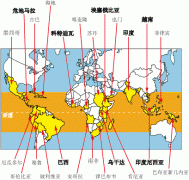
Coffee producing area 53 global coffee producing area Dominica Dominica
Dominica's delicious, sweet, full-grained coffee the Dominican Republic (Dominican Republic) is next to Haiti, and both have the island of Hispaniola (Hispaniola). Like its neighbours, the Dominican Republic had a history of revolution and poverty, but now it has democratic elections and the country is relatively stable. In the early 18th century, coffee
2016-03-23 Coffee origin global 53 Dominica delicious sweet grain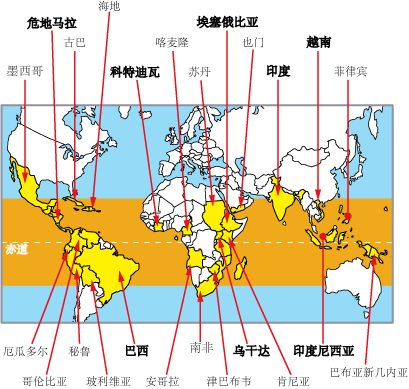
Coffee producing area 53 global coffee producing area Dominica Dominica
Dominica's delicious, sweet, full-grained coffee the Dominican Republic (Dominican Republic) is next to Haiti, and both have the island of Hispaniola (Hispaniola). Like its neighbours, the Dominican Republic had a history of revolution and poverty, but now it has democratic elections and the country is relatively stable. In the early 18th century, coffee
2016-03-23 Coffee origin global 53 Dominica delicious sweet grain
The global ranking of coffee is second only to tea.
The reason for the coffee consumption craze
2014-07-31 Coffee global ranking second only to tea in recent years Chinese coffee preference there are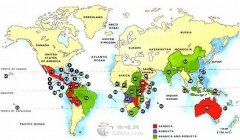
Basic knowledge of Coffee training Global Coffee producing area Map
Coffee trees grow in tropical or subtropical agricultural gardens centered around the equator and called coffee belts. Most of the coffee production is between the Tropic of Cancer, 25 degrees north of the tropical or subtropical equator and 30 degrees south of the equator. An area with an annual average temperature of 16-25 degrees Celsius, no Frosts Descent and rainfall of 1600-2000 mm.
2015-03-17 Coffee training basic knowledge Global Origin Map Tree growth Red
Global Coffee Origin-Sao Tome and Principe
In 1800, the Democratic Republic of Sao Tome and Principe introduced Arabica coffee trees from Brazil. Sao Tome and Principe, Africa's second smallest independent state, was a Portuguese colony until 1975, when it won independence. Sao Tome and Principe Democratic Republic Coffee Origin: Sao Tome and Principe
2015-08-24 global coffee origin domi purim cipe 1800
Global coffee producing area-Australia
Coffee trees began to be planted in Queens land, Australia (Australia) in 1896. Australia is an amazing country in many ways. The high-quality coffee grown here is perhaps one of the most amazing things. The characteristics of Australian coffee: Australian coffee is of high quality and has a soft taste with a slightly bitter taste of caffeine.
2015-08-24 Global Coffee Origin Australia 1896 start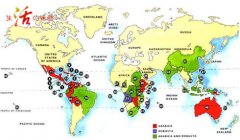
Global Coffee producing countries take a large inventory of where coffee is produced? Each
Coffee trees grow in tropical or subtropical agricultural gardens centered around the equator and called coffee belts. Most of the coffee production is between the Tropic of Cancer, 25 degrees north of the tropical or subtropical equator and 30 degrees south of the equator. An area with an annual average temperature of 16-25 degrees Celsius, no Frosts Descent and rainfall of 1600-2000 mm.
2016-03-31 Global coffee origin introduction world production national university inventory where out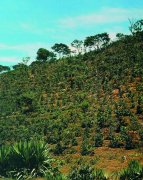
Mexico ranks sixth in global coffee production
Mexico already has an annual output of 4.5 million bags, ranking sixth in the world, after Brazil, Vietnam, Indonesia, India and Colombia.
2014-05-29 Coffee news Mexican coffee coffee production
Global Coffee producing area-characteristics of Vietnamese Coffee
Perhaps under the influence of French colonial rule, coffee grown in Vietnam has a French flavor. Arabica coffee was first brought to Vietnam by French missionaries. Coffee production in Vietnam: 96% of Robbins coffee comes from small farms, but some state-owned farms also grow coffee trees. Near Tokyo (Tonkin) Bay, there are mostly Java or bourbon varieties. The main variety produced is Robbins special coffee.
2015-08-24 Global coffee origin Vietnam characteristics Xu France colonial rule influence
Global coffee producing regions Coffee producing regions in Sudan
Sudan's on-off, disastrous 20-year civil war has claimed millions of lives and caused unspeakable damage to rural areas, including the coffee industry. Historically, Arabs transported blacks from southern Sudan to Arabia as slaves, and slaves brought coffee beans with them to satisfy their hunger. It is said that these coffee beans are also imported into Yemen. is
2015-02-16 Global Coffee Origin Sudan Southern Intermittent 2